
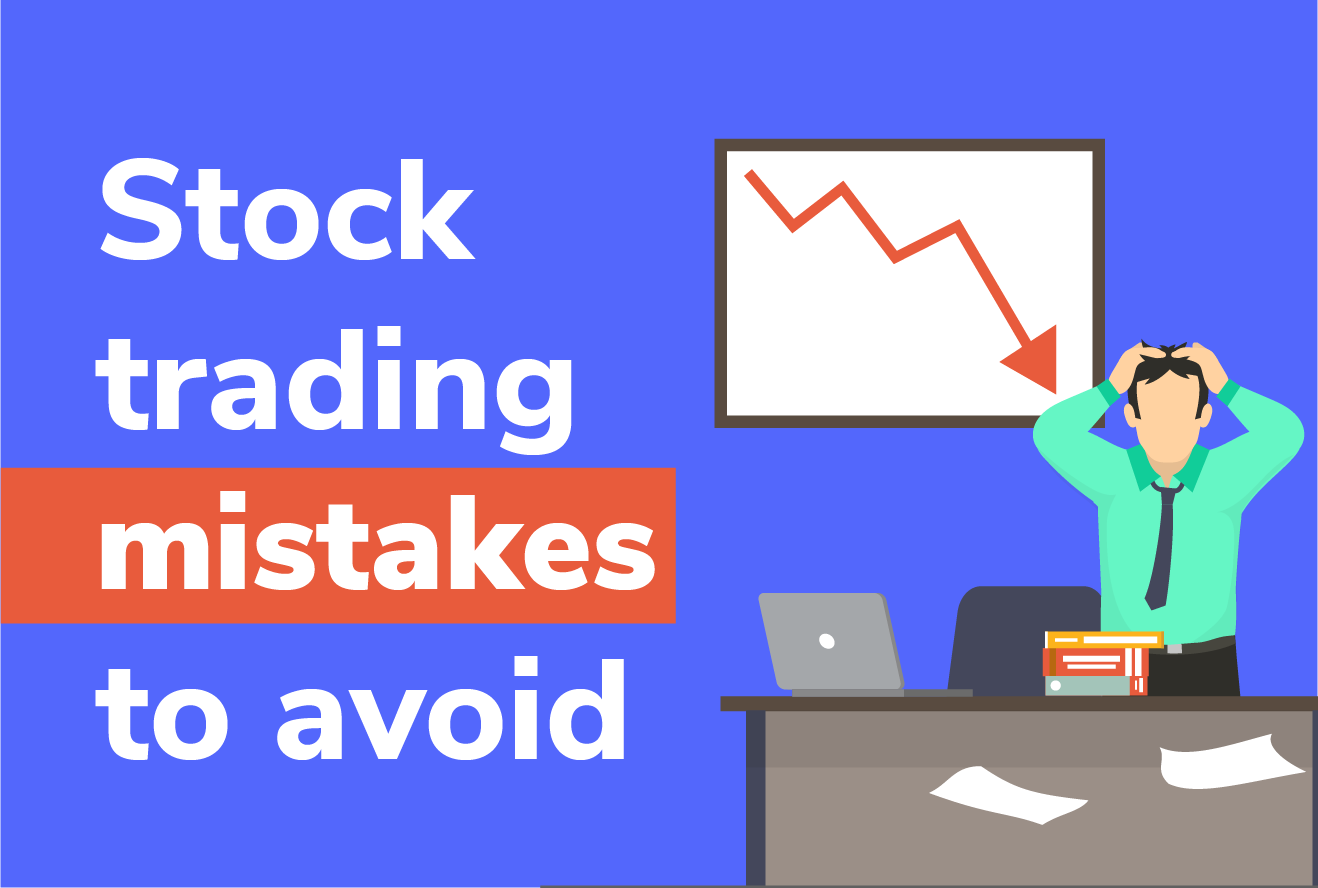
Common Mistakes to Avoid When Using a Trading Account
Using a trading account opens the door to stock market opportunities—but it also comes with risks, especially for beginners. Many new investors lose money not because the market is unpredictable, but because of avoidable mistakes. Understanding these pitfalls can help you trade smarter and protect your capital.
1. Trading Without Proper Knowledge
Jumping into trading without understanding how the market works is one of the biggest mistakes. Concepts like order types, market trends, and risk management are essential.
Before you start trading on platforms like the National Stock Exchange or Bombay Stock Exchange, take time to learn the basics.
2. Not Setting a Stop-Loss
A stop-loss helps limit your losses by automatically selling a stock when it reaches a certain price. Ignoring this tool can lead to significant financial damage during market fluctuations.
3. Overtrading
Many beginners trade too frequently in hopes of quick profits. This leads to:
- Higher brokerage charges
- Emotional decision-making
- Increased risk
Quality trades matter more than quantity.
4. Ignoring Research and Analysis
Relying on tips from friends, social media, or rumors instead of doing your own research is risky. Always analyze:
- Company fundamentals
- Market trends
- News and announcements
5. Letting Emotions Control Decisions
Fear and greed are the biggest enemies of traders. Panic selling during a dip or buying impulsively during a rally can hurt your portfolio.
Stick to a disciplined strategy rather than reacting emotionally.
6. Not Diversifying Investments
Putting all your money into a single stock or sector increases risk. Diversification helps balance losses and gains across your portfolio.
7. Ignoring Charges and Fees
Many traders overlook brokerage fees, taxes, and other charges. Over time, these costs can significantly reduce your profits.
Always understand the fee structure of your broker.
8. Using High Leverage Without Understanding Risks
Leverage can amplify profits—but it can also magnify losses. Beginners should avoid high leverage until they fully understand how it works.
9. Not Monitoring Your Portfolio
Once you invest, it’s important to regularly track performance and make adjustments when needed. Ignoring your portfolio can lead to missed opportunities or larger losses.
10. Choosing the Wrong Broker
Your trading experience depends heavily on your broker. Platforms from companies like Upstox offer different features, so choose wisely based on your needs.
Avoiding these common mistakes can significantly improve your trading performance. A trading account is a powerful tool, but success depends on discipline, knowledge, and a well-planned strategy.
Start small, stay consistent, and focus on long-term learning rather than short-term gains.